



Ulaanbaatar, Mongolia, 17 August 2026 — The seventeenth session of the Conference of the Parties to the United Nations Convention to Combat Desertification (UNCCD COP17) was officially opened today, bringing together representatives of 196 countries and the European Union. The delegation of the Scientific-Information Centre of the Interstate Commission on Sustainable Development (SIC ICSD) participated in the first day of the session. The opening ceremony was accompanied by a cultural programme reflecting Mongolia’s traditional relationship with land, rangelands and nomadic culture. In their statements, representatives of Mongolia, the UNCCD and the previous COP Presidency emphasized the need to move from political commitments to practical action supported by financing, technologies, scientific knowledge and measurable results.
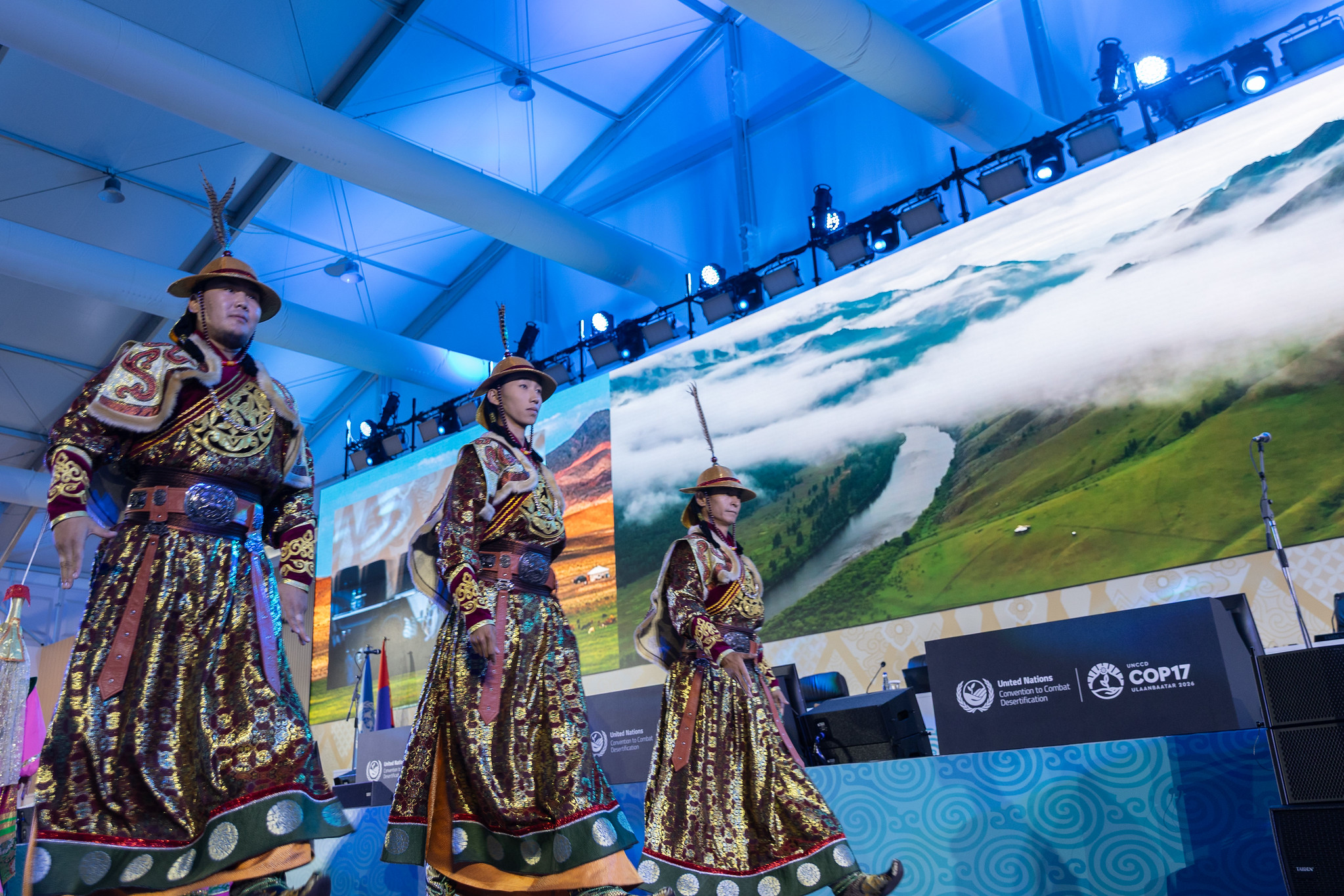 Opening of COP-17 of UNCCD. Photocredit to © UNCCD/Kiara Worth
The Prime Minister of Mongolia, Mr. Urad Numaser, called for COP17 to be used to accelerate the practical implementation of decisions on land restoration, drought resilience and sustainable rangeland management. He highlighted the importance of investment, digital technologies, artificial intelligence and satellite monitoring, and presented national initiatives, including “Billion Trees”, Unlock Mongolia and Nomads of the Sunny Steppe. The UNCCD Executive Secretary and United Nations Under-Secretary-General, Ms. Yasmin Fouad, emphasized the particular significance of hosting COP17 in Mongolia, given the country’s longstanding relationship with rangelands and pastoralism, highlighting the need to bring together land restoration, financing, science and innovation and calling for the Conference to serve as an opportunity not only to restore land, but also to “restore hope.” Mr. Tsend Sandag-Ochir, Minister of Environment and Climate Change of Mongolia and Chair of the National Committee for the Preparation of COP17, highlighted the importance of national coordination and international cooperation, while Mr. Osama Ibrahim Faqeeha, President of COP16 and Deputy Minister of Environment, Water and Agriculture of the Kingdom of Saudi Arabia, emphasized the continuity of the global agenda from COP16 in Riyadh to COP17 in Ulaanbaatar, including land restoration, drought resilience, financing, science, innovation and sustainable rangeland management.
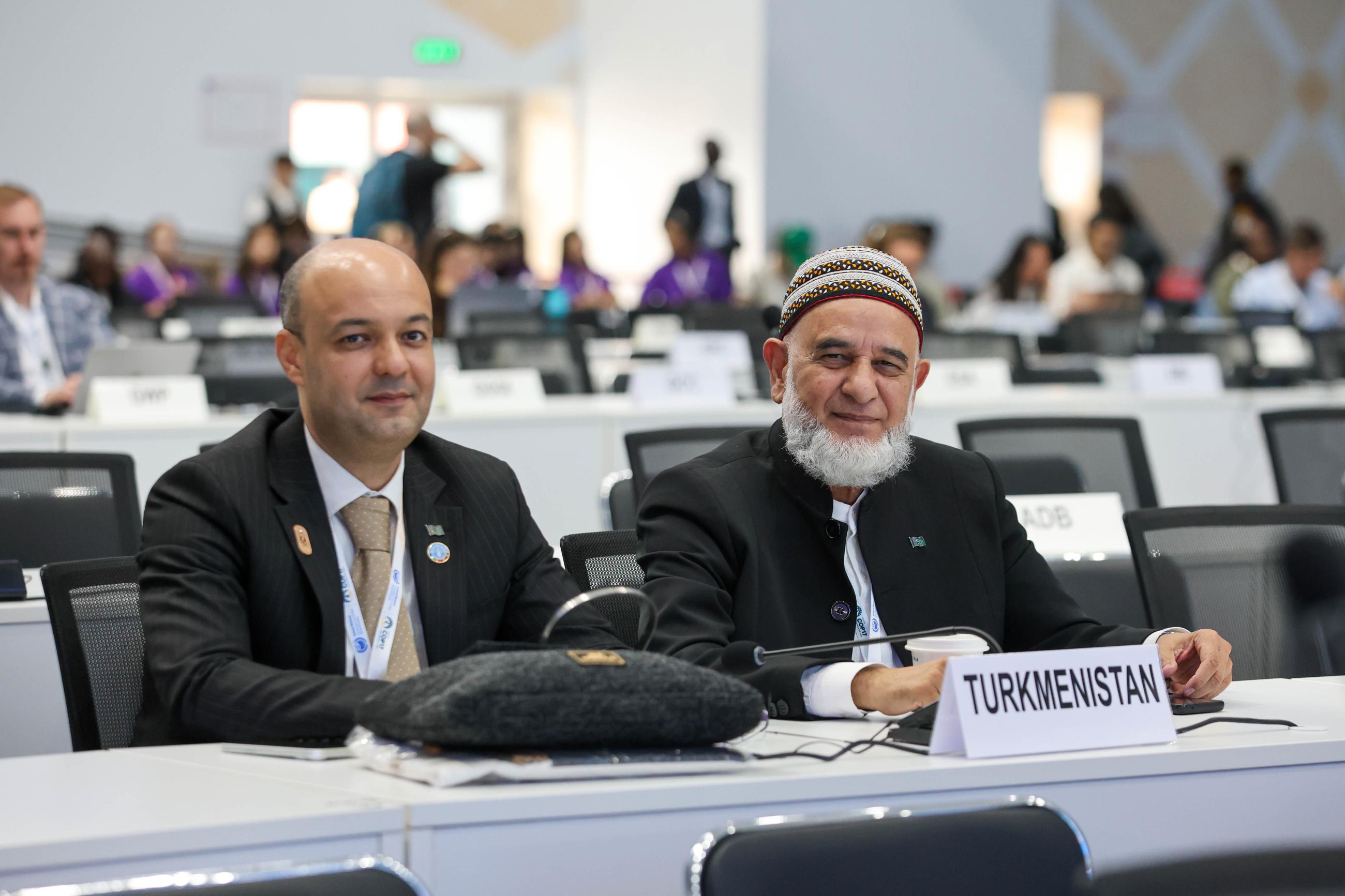 SIC ICSD Delegation at the Opening of the COP-17 of UNCCD. Photocredit to © Anastasia Rodopoulou
Among the large number of events and sessions organized on the first day, representatives of SIC ICSD were able to attend only those that were directly relevant to the Centre’s work. During the session “From LDN Targets to Investable Projects”, participants discussed opportunities to translate national targets for achieving Land Degradation Neutrality (LDN) into investment projects. Particular attention was given to international cooperation mechanisms under Article 6.2 of the Paris Agreement and Internationally Transferred Mitigation Outcomes (ITMOs), which provide additional opportunities to mobilize financing for climate and environmental projects, subject to the relevant requirements for environmental integrity and accounting of results. Participants were also introduced to Earthbanc Intelligence, a digital tool designed to support spatial analysis and the preliminary assessment of opportunities for applying existing carbon methodologies.
Also on the first day of COP17, a session, “COP 2nd Meeting – Formal Statements”, was held, during which representatives of SIC ICSD delivered a message from the UNCCD Interregional Group “Russia – Central Asia”. The statement highlighted the key opportunities and challenges facing this vast region in addressing desertification, land degradation and sustainable natural resource management. Particular attention was given to the region’s accumulated experience, good practices and practical recommendations aimed at further enhancing the effectiveness of the Convention and its bodies, while strengthening regional cooperation and knowledge exchange.
At the session “Pastoral Systems & the Rio Conventions: Science for Policy and Finance to Unlock Co-Benefits”, organized by CSFD in cooperation with CIRAD, ILRI and partners, sustainable pastoralism was considered an important link between the three Rio Conventions. Participants emphasized that effective rangeland management can simultaneously contribute to addressing land degradation, mitigating the impacts of climate change and conserving biodiversity. Particular attention was given to translating scientific data on soil condition, carbon and rangeland management into practical indicators to support decision-making, as well as to the need to develop more targeted financial mechanisms that directly support pastoralist communities.
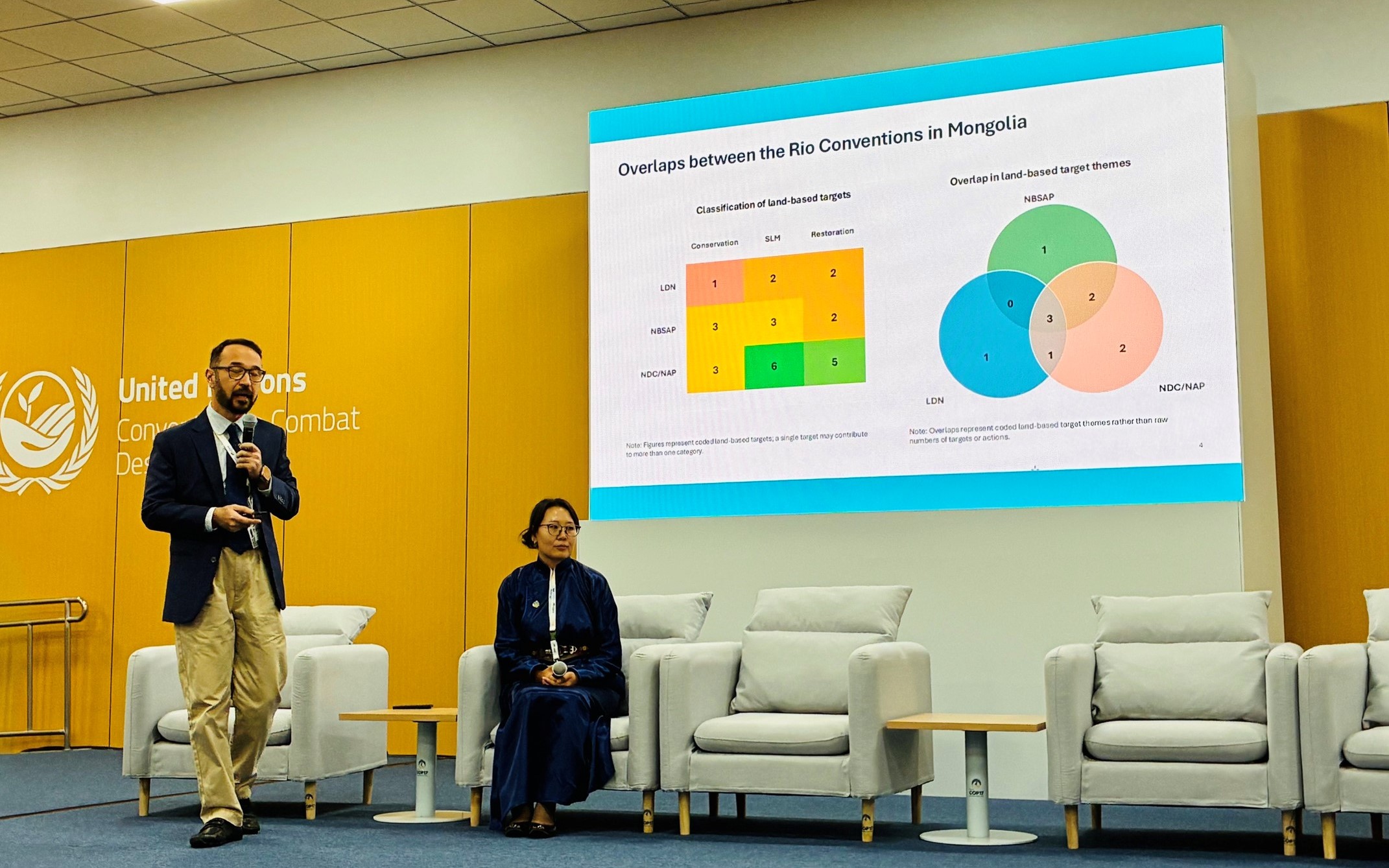 Panel discussion of the Economics of Land Degradation within the Rio Conventions Synergies. Photocredit to SIC ICSD.
During the session “Good Practice Examples in Combating Desertification and Land Degradation: Experiences from Türkiye, Azerbaijan, Uzbekistan and Kyrgyzstan” at the Türkiye Pavilion, representatives of the participating countries shared experiences in implementing projects addressing land degradation, sustainable management of rangelands and irrigated areas, including through FAO-supported projects. Particular attention was given to the results of CACILM-II, in which SIC ICSD participated in the implementation. A representative of the Centre presented Turkmenistan’s experience, including project activities implemented in the country and practical approaches to sustainable management of land and rangeland resources, highlighting the value of regional exchange of experience among Central Asian countries.
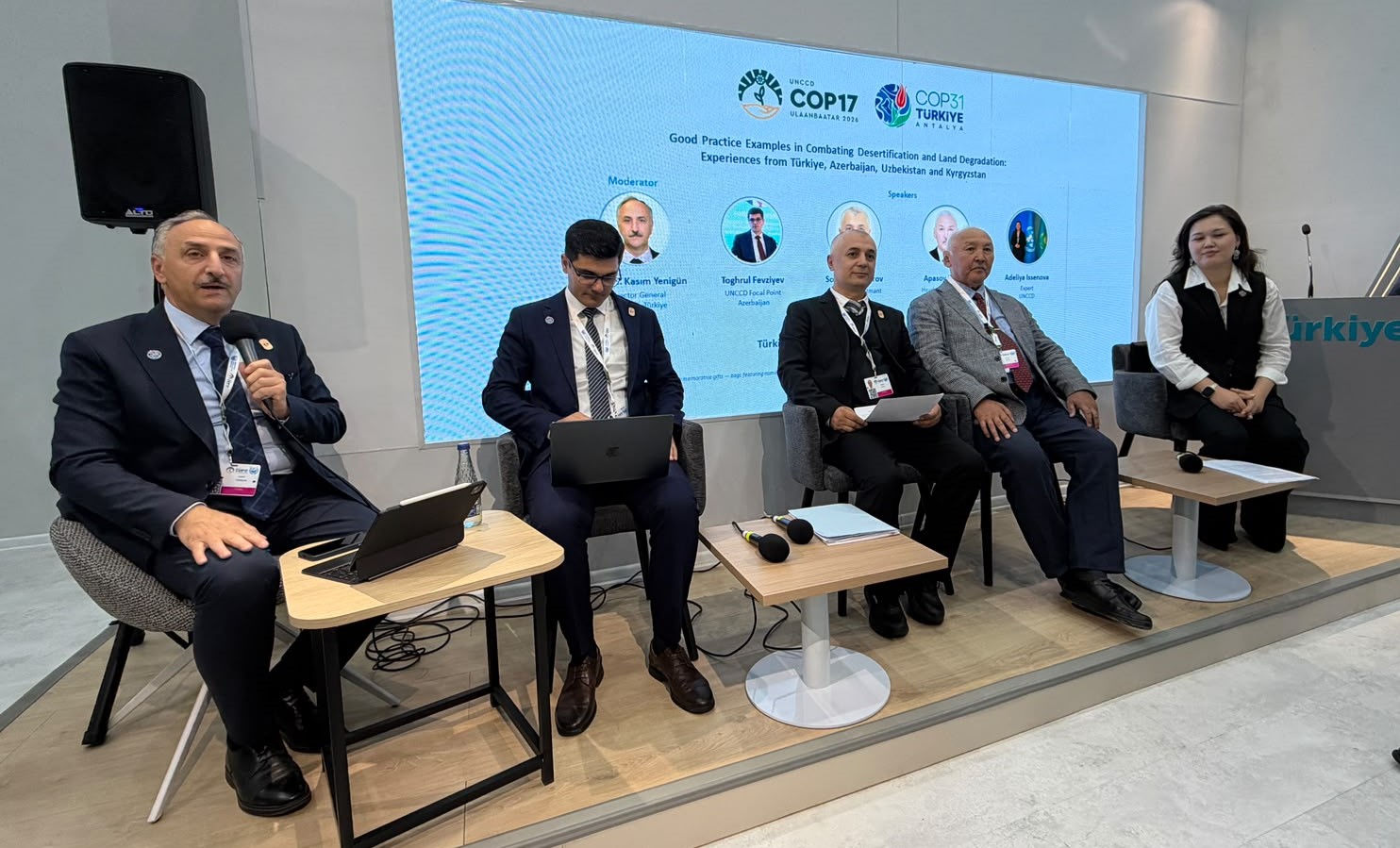 Central Asian countries participating at the panel discussion at the Türkiye Pavilion. Photocredit to SIC ICSD.
The session “Integrated Land Use Planning in Practice: Advancing Inclusive and Data-Driven Decision Support”, organized by Conservation International, focused on modern tools for spatial planning and decision support for achieving LDN. Among the solutions presented was an approach to integrating national geospatial datasets, information on land suitability, biodiversity and LDN projects, as well as the DS4LDN project, aimed at strengthening national capacity for decision-making. Participants were also introduced to the ILUP4LDN Manual, currently under development with the participation of GEF-FAO, IUCN, GEF, WOCAT and the University of Bern, which provides a practical and adaptable methodology for integrated land use planning, supported by tools for stakeholder engagement and priority-setting.
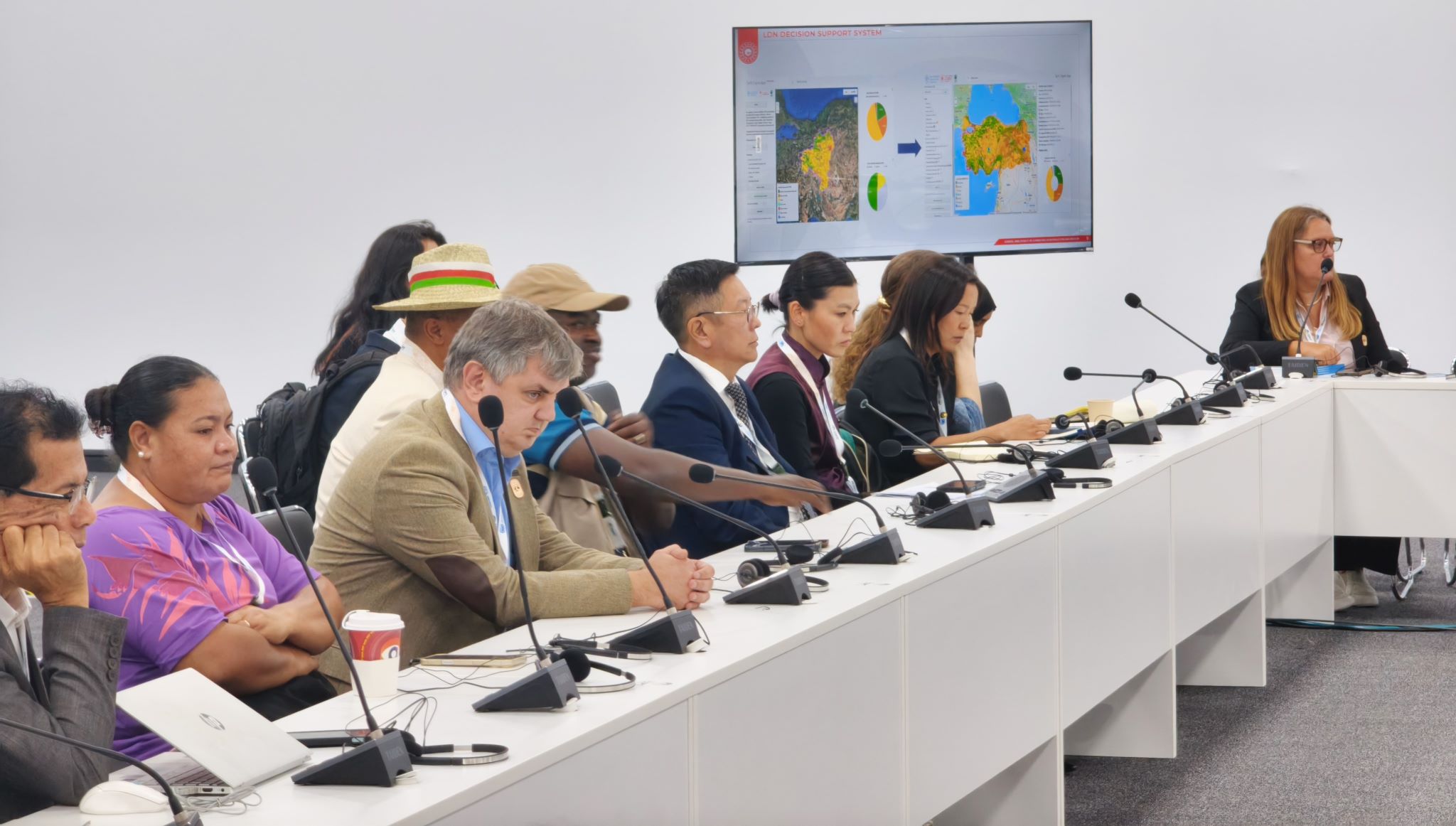 Session on modern tools for spatial planning and decision support system for achieving LDN. Photocredit to event organizers.
The first day concluded with the session “From Data to Decisions: Geospatial AI for Sustainable Land Management and Climate Resilience”, held at the Action Dome and focusing on the application of geospatial artificial intelligence to sustainable land management and climate resilience. Participants were introduced to the work of HeiGIT (Heidelberg Institute for Geoinformation Technology), which develops open geospatial technologies, spatial analysis methods and machine-learning-based solutions. Discussions focused on the potential of open geospatial data, including OpenStreetMap, to support scientific research, public administration, disaster response and climate planning, as well as on the role of international partnerships in translating scientific innovation into practical solutions.
The event contributes to the achievement of:
| Priority Area No 5 dedicated to SDG 15: “Protect, restore and promote sustainable use of terrestrial ecosystems” |
| 5.1.2 Capacity-building for sustainable management of forests, land, and pastures. |
| Priority area No 6 of REP4SD dedicated to SDG 17: “Strengthen the means of implementation and revitalize the Global Partnership for Sustainable Development” |
| 6.1 Involvement of the region into implementation of global environmental conventions, programmes and initiatives. |