



Ashgabat, Turkmenistan, 30 September – 2 October 2026 – A three-day capacity-building workshop entitled "Climate Change Adaptation and Mitigation Technologies, Validation of the Technology Investment Plan, Greenhouse Gas Sources and Sinks" was held at the Archabil Hotel. The event was organized under the Green Climate Fund (GCF) Readiness project "Strengthening Turkmenistan’s Capacity to Access Climate Finance through Capacity Building and Strategic Frameworks," implemented by the Food and Agriculture Organization of the United Nations (FAO) in cooperation with national partners.
The workshop was conducted in a hybrid format, bringing together more than 30 representatives from key government ministries and agencies, academic institutions, financial organizations, the private sector, and local hyakimliks (municipal administration authorities). Experts from the Scientific-Information Center of the Interstate Commission on Sustainable Development (SIC ICSD) actively participated in the workshop, making a significant expert contribution to discussions on technological adaptation and attracting climate investment.
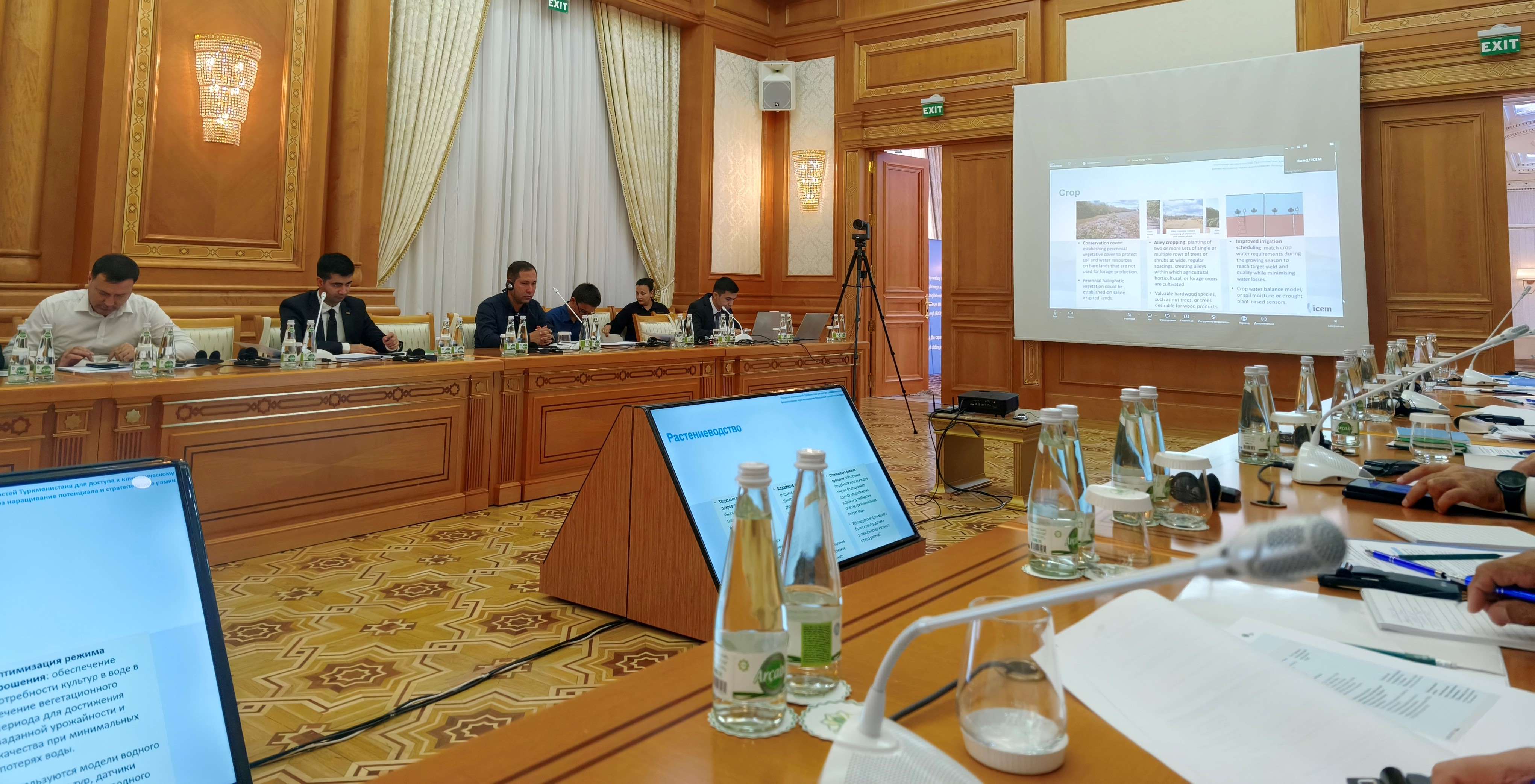 Participants of practical training. Photocredit to SIC ICSD.
On the first day, 30 September, the program focused on climate risk assessment and the prioritization of adaptation and mitigation technologies in the Agriculture, Forestry and Other Land Use (AFOLU) sector. International experts and national specialists examined key hazards, including water scarcity, soil salinization, and dust storms. During interactive sessions and polls, participants evaluated the most effective technologies across crop production, livestock, forestry, and aquaculture, validating them through a dot-voting exercise.
The second day, 1 October, was dedicated to financial mechanisms and the validation of the Technology Investment Plan. In a World Café format, SIC ICSD representatives, alongside colleagues from financial institutions and ministries, conducted a detailed analysis of potential public, international, and private funding sources. The day concluded with the validation of the Technology Investment Plan for the AFOLU sector, designed to overcome barriers to accessing GCF resources and strengthen the institutional capacity of the Regional Climate Technology Center in Central Asia (RCTC-CA).
The final day, 2 October, addressed methodological and technical aspects of greenhouse gas (GHG) inventories and climate reporting. Participants reviewed Turkmenistan’s commitments under the UNFCCC and the Paris Agreement, data submission mechanisms under the Enhanced Transparency Framework (ETF), and institutional responsibilities for data collection on carbon sources and sinks.
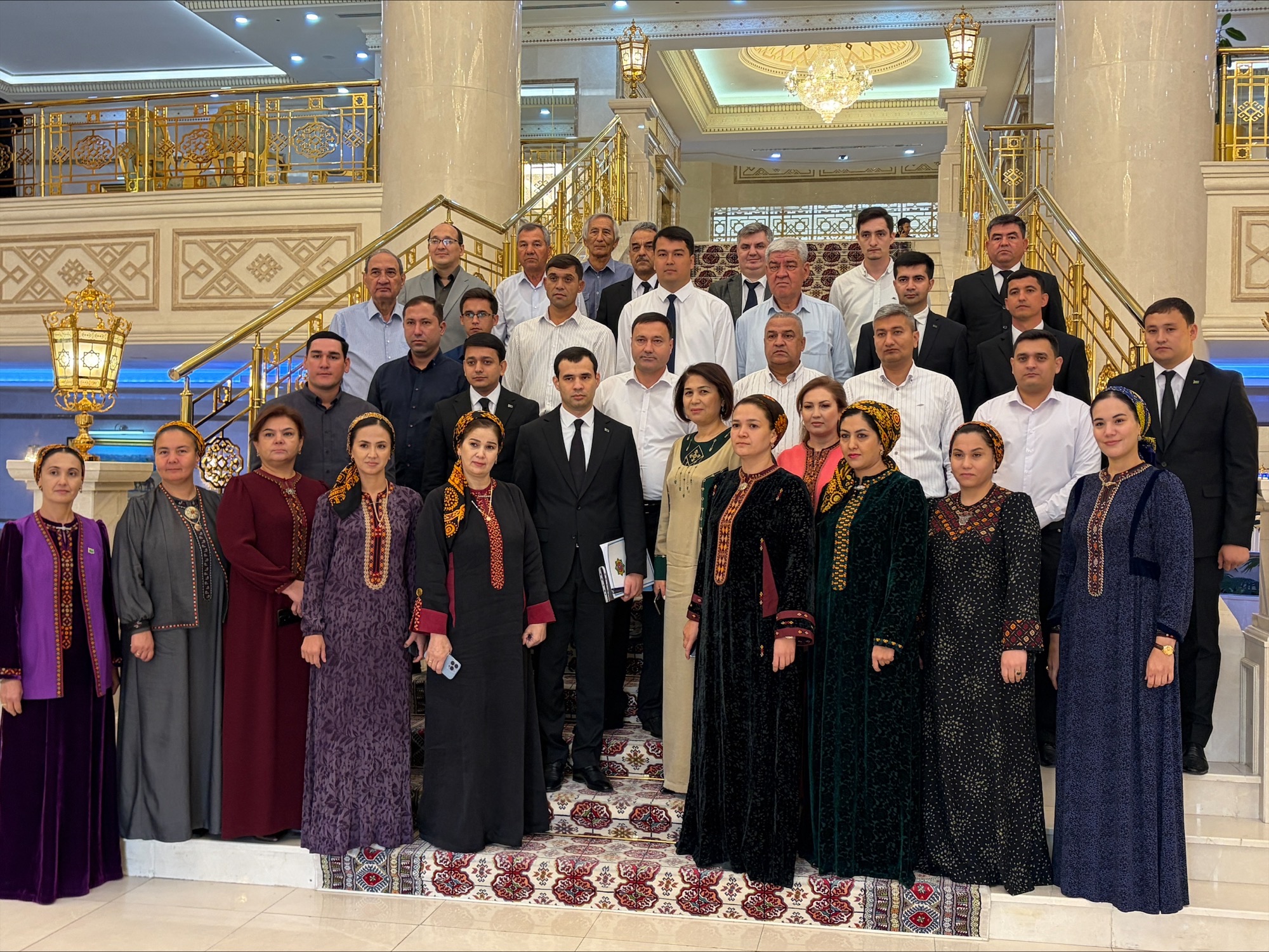 Participants of practical training. Photocredit to event organizers.
The expert participation of SIC ICSD in this workshop underscores the Center's commitment to promoting regional and national cooperation, deploying advanced low-carbon technologies, and establishing sustainable strategic frameworks for climate finance in Turkmenistan.
The event supports the achievement of:
| Priority Area of REP4SD No 4 dedicated to SDG 13: “Take urgent action to combat climate change and its impacts” |
| 4.3 Assessment of climate risks and vulnerabilites through the application of corresponding models of a climate change impact on water resources, terrestrial ecosystems and natural disasters, tackling the development of state policies and strategies in this area. |