



Ashgabat, Turkmenistan, 22-23 December 2025 – The Scientific-Information Centre of the Interstate Commission on Sustainable Development (SIC ICSD), in cooperation with the Food and Agriculture Organization of the United Nations (FAO) and with the support of the Ministry of Environmental Protection of Turkmenistan, conducted an Seminar entitled “Reporting Requirements under the Paris Agreement, Technical Support, Key Gaps, and Actions for Institutional and Technical Capacity” within the framework of the project “Strengthening the Capacity of Turkmenistan to Comply with the Enhanced Transparency Framework under the Paris Agreement” (CBIT).
The event brought together more than 30 representatives of relevant ministries and agencies, research institutions, public associations and international organizations. The seminar marked an important milestone in the continued implementation of the project supported by the Global Environment Facility (GEF). At the national level, the project is implemented by SIC ICSD, while FAO serves as the implementing agency, providing methodological and technical support.
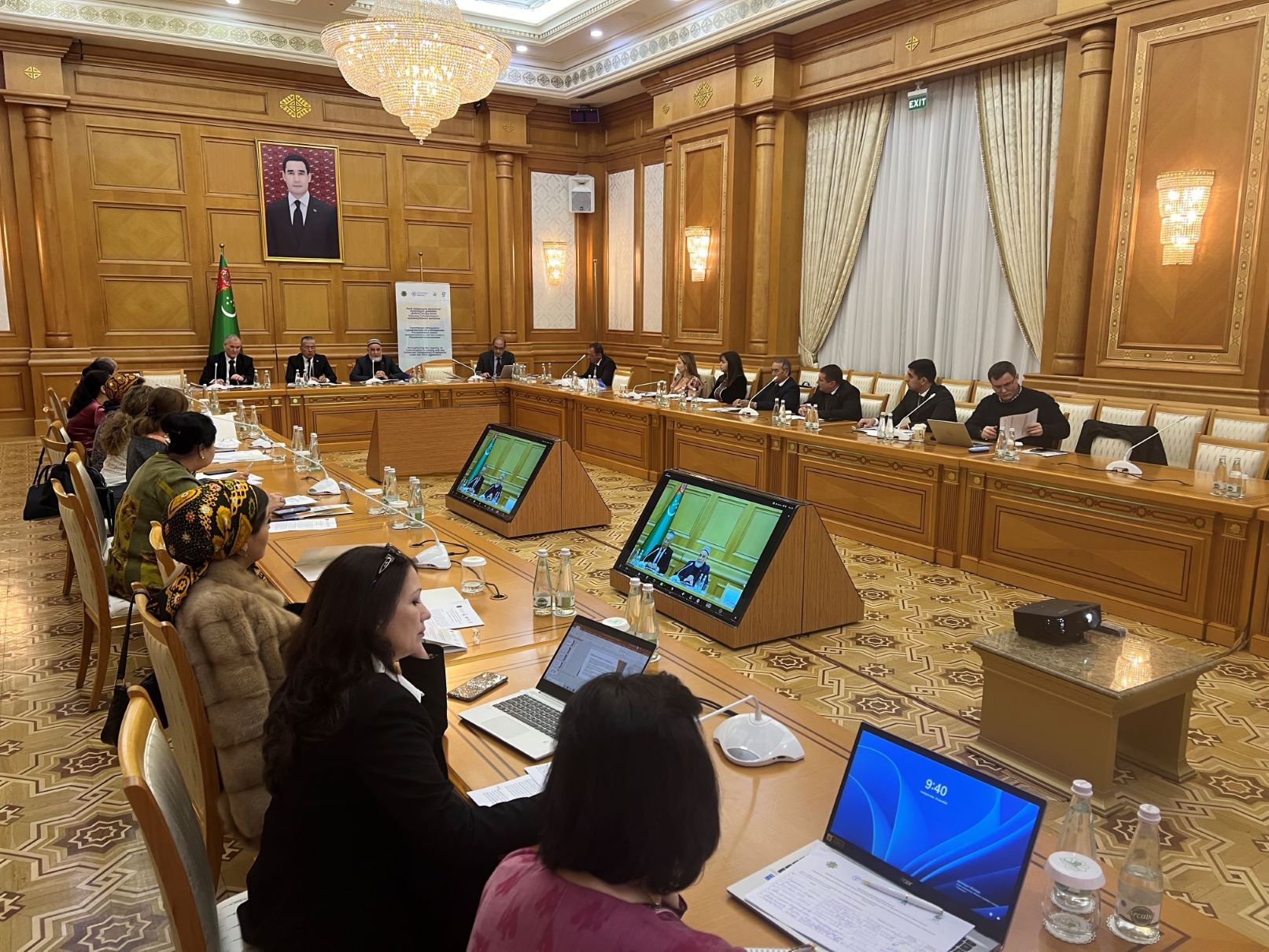 Seminar on Reporting requirements under the Paris Agreement, photocredit to SIC ICSD
On the first day, 22 December, participants reviewed international climate reporting requirements and Turkmenistan’s national obligations, including the current status of climate policy and reporting practices. Thematic sessions presented global, regional and national capacity-building initiatives in the field of climate transparency, as well as the results of an analysis of key gaps in institutional arrangements and technical capacities, including those related to greenhouse gas (GHG) inventories.
Special attention was given to the improvement of national climate change legislation and its role in ensuring sustainable and consistent climate reporting. Through interactive discussions, participants examined the importance of effective institutional mechanisms and enhanced GHG inventories for the development of Turkmenistan’s Long-Term Low Emission Development Strategy (LT-LEDS). Group work helped identify national development priorities, sectors with the greatest mitigation potential, promising low-carbon technologies, as well as coordination mechanisms and clear allocation of roles and responsibilities for climate data collection and reporting.
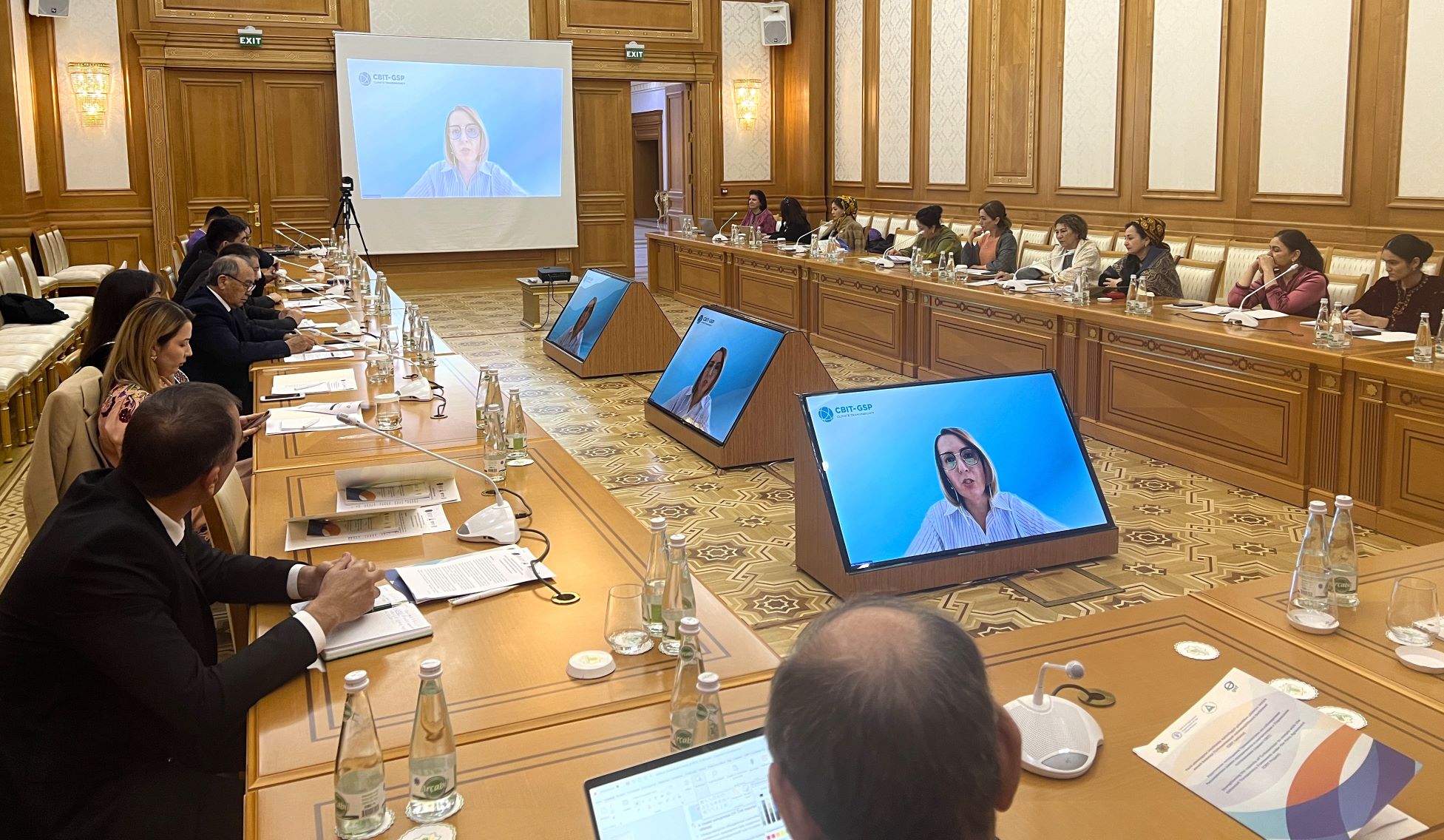 Presentation by the international expert of the project, photocredit to SIC ICSD
The second day of the seminar, 23 December, focused on practical aspects of improving the quality of national GHG inventories, including quality assurance and quality control (QA/QC) procedures. Participants explored approaches to expert review in the context of the modalities, procedures and guidelines (MPGs) of the Paris Agreement, the differences between international technical review and domestic peer review, and the structure and application logic of working tools for data quality assessment. Practical exercises concentrated on the Energy sector, where participants, under trainer guidance, applied review techniques for the preparation of Biennial Transparency Reports (BTRs) and Biennial Update Reports (BURs), analysed selected categories and presented the results of their work.
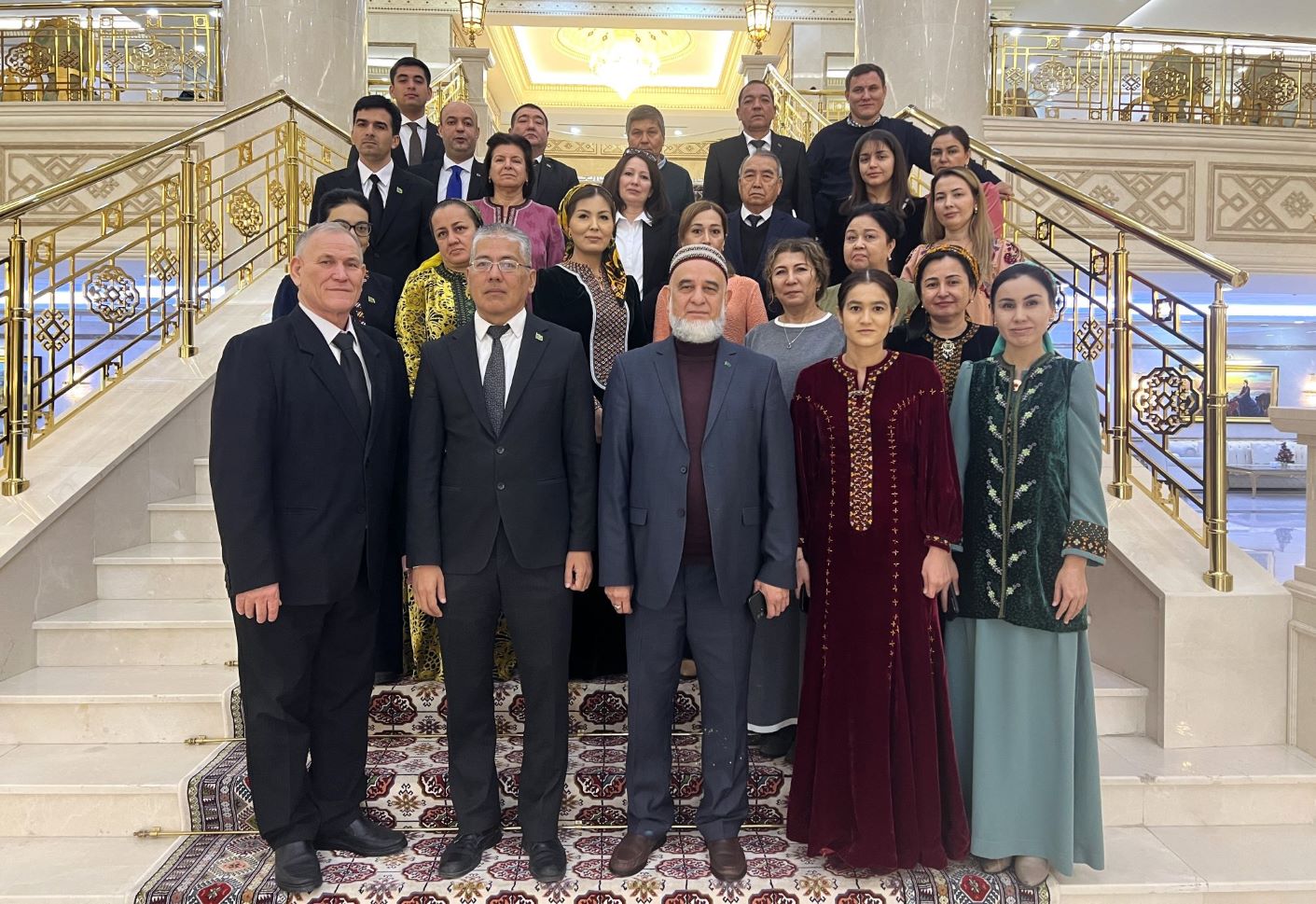 Seminar participants, photocredit to SIC ICSD
The Seminar provided a common platform for knowledge exchange, strengthened inter-agency cooperation, and laid a solid foundation for the further development of Turkmenistan’s national climate transparency system in line with the requirements of the Paris Agreement. The outcomes and recommendations generated through the seminar will make a significant contribution to the implementation of the CBIT project and to enhancing the quality and sustainability of national climate reporting.
The event supports the achievement of:
| Priority Area of REP4SD No 4 dedicated to SDG 13: “Take urgent action to combat climate change and its impacts” |
| 4.3 Assessment of climate risks and vulnerabilites through the application of corresponding models of a climate change impact on water resources, terrestrial ecosystems and natural disasters, tackling the development of state policies and strategies in this area. |