



Astana, Republic of Kazakhstan, 22-24 April 2026 — Representatives of the Secretariat and the Scientific-Information Center of the Interstate Commission on Sustainable Development of Central Asia (ICSD) participated in the 8th Central Asian Climate Change Conference (CACCC-2026), held under the theme “Climate Leadership in Central Asia: Public-Private Partnership” within the framework of the Regional Environmental Summit.
The Conference brought together a wide range of stakeholders, including representatives of government authorities, international organizations, financial institutions, the private sector, academia and civil society. Discussions focused on key priorities for the implementation of updated Nationally Determined Contributions (NDCs 3.0), national adaptation plans and decarbonization strategies across Central Asian countries. Participants also reviewed the outcomes of the Conference of the Parties (COP30) and their implications for shaping the regional climate agenda.
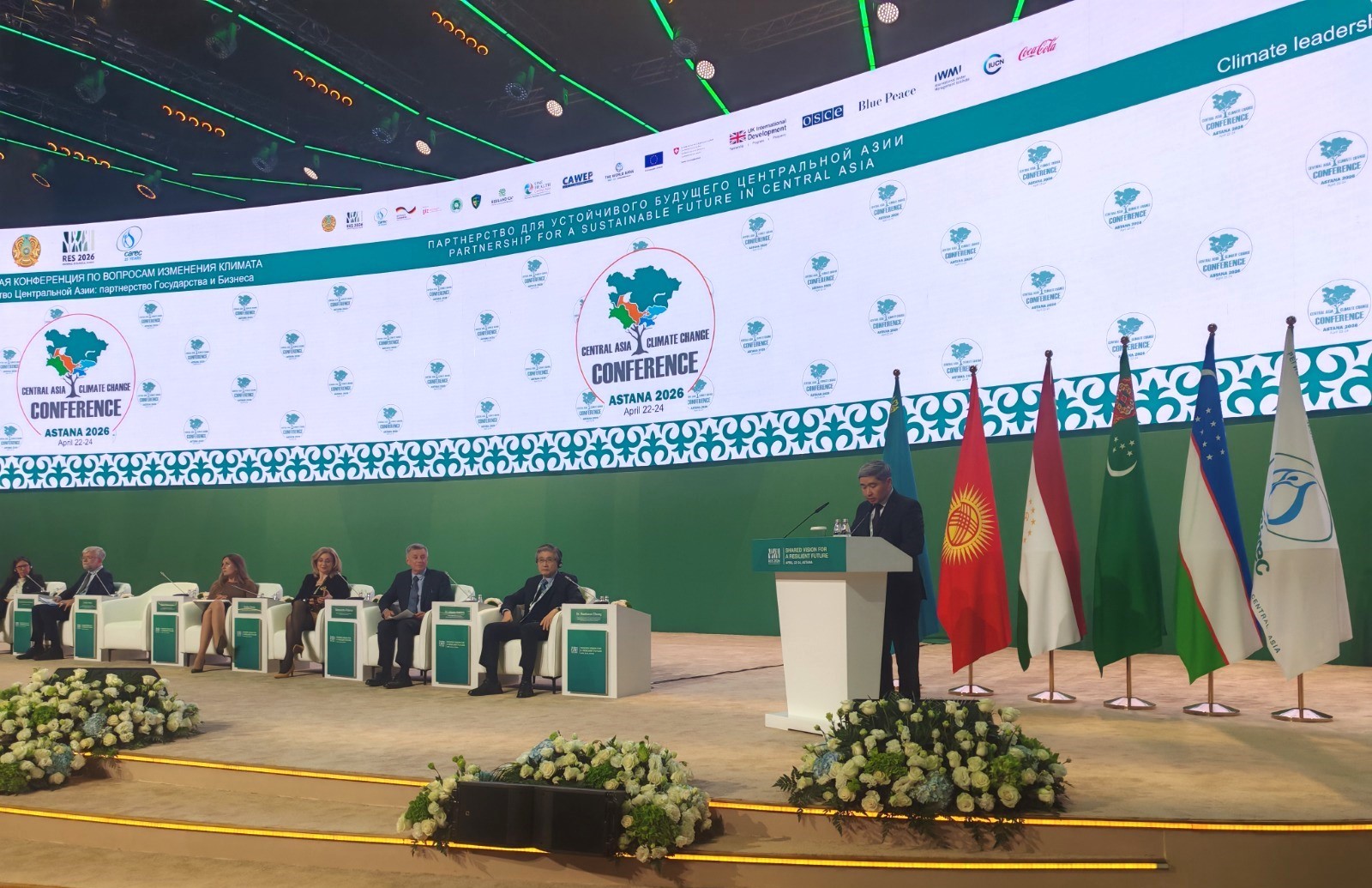 One of the sessions convened during the first day of CACCC-2026. Photocredit to CAREC.
Representatives of ICSD took part in a series of thematic sessions addressing regional cooperation, the integration of climate risk management into strategic planning, transboundary landscape restoration, and the advancement of the One Health approach. Particular attention during the session dedicated to COP30 outcomes was given to translating global commitments into regional action, including through the development of joint project initiatives and climate finance mechanisms.
During the panel session on “Transboundary Landscape Restoration in Central Asia,” participants emphasized the growing need for coordinated responses to land degradation, which affects a significant share of the region and has substantial socio-economic implications. Countries were noted to be transitioning from policy commitments to practical implementation, including the adoption of sustainable natural resource management practices, large-scale afforestation initiatives, modernization of water management systems, and the application of digital monitoring tools.
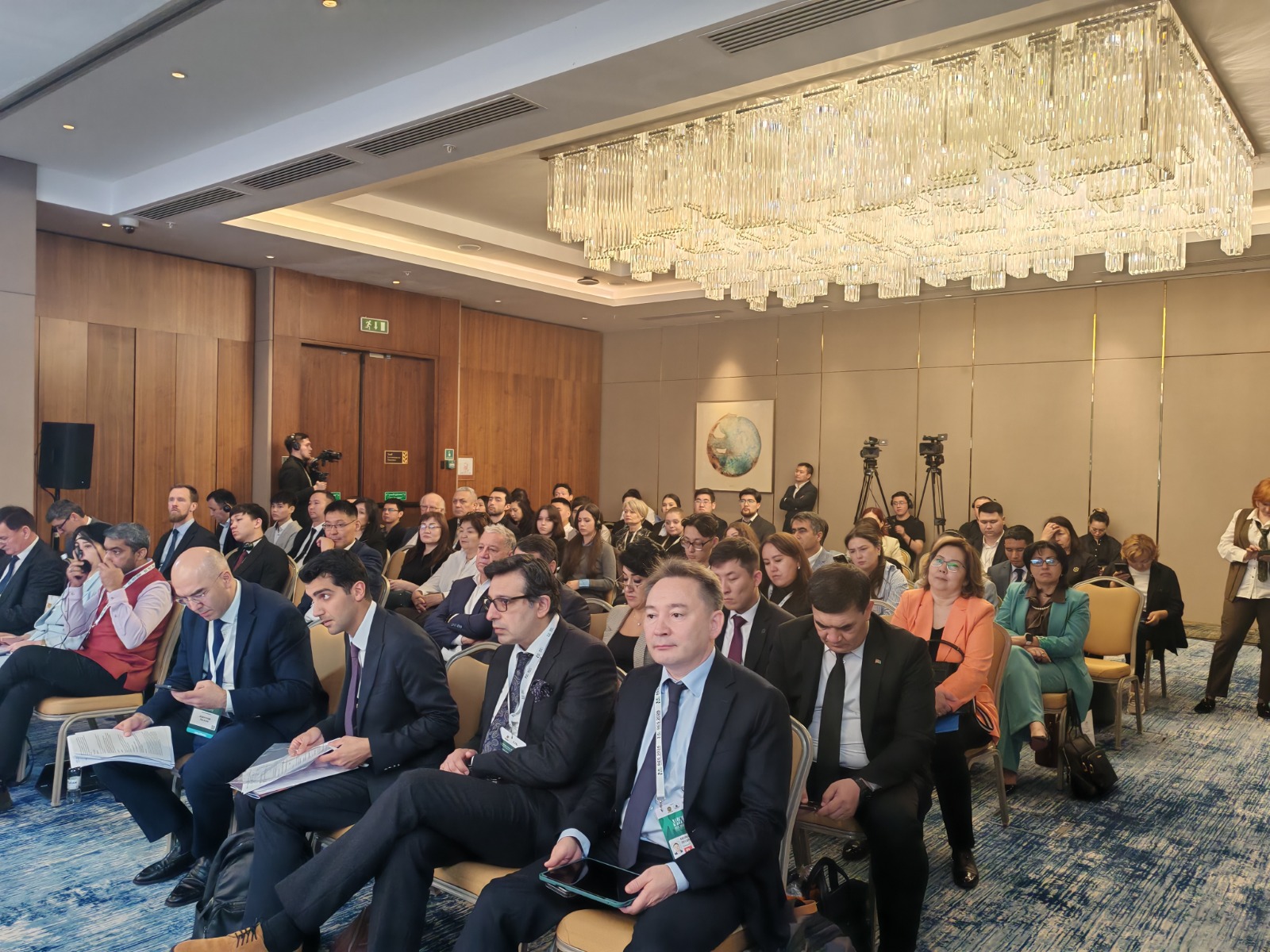 Participants of CACCC-2026. Photocredit to CAREC.
Special attention was also given to water resources management and climate adaptation within the framework of the Blue Peace Central Asia session on “Climate-Resilient Water Resources Management.” A key highlight was the presentation of the strategic document entitled “Regional Water and Climate Action Framework,” developed on the basis of harmonized indicators across the five Central Asian countries. The document provides an analytical foundation for coordinated regional approaches and identifies priority areas for cooperation, including climate-resilient monitoring and forecasting systems, early warning mechanisms, and strengthened coordination in transboundary river basins.
Participation of ICSD representatives in the Conference contributed to the development of a shared regional vision in the context of implementing the Regional Environmental Programme for Sustainable Development, while further strengthening coordination among Central Asian countries in addressing environmental and climate challenges.
The event supports the achievement of:
| Priority area No 6 of REP4SD dedicated to SDG 17: “Strengthen the means of implementation and revitalize the Global Partnership for Sustainable Development” |
| 6.1 Involvement of the region into implementation of global environmental conventions, programmes and initiatives. |